Kayak Fishing Great South Bay: A Beginner's Guide


 Published: Nov 26, 2026
 7 min read
Summary
A foundation guide for anglers new to kayak fishing on Long Island. It covers why the calm inshore water of Great South Bay suits beginners, how fishing from a 10.5ft kayak works, and what a private guided trip adds.
The kayak sits low on flat water, the launch ramp is already behind you, and the only sound is a paddle dipping. Your rod is rigged and you are a few easy strokes from your first cast. That quiet, close-to-the-water feeling is what draws a lot of anglers to kayak fishing, and Great South Bay is a good place to find it for the first time.
This guide is for anglers who have never fished from a kayak, or have only fished from a boat or the shore. It covers why the bay suits beginners, how fishing from a 10.5ft kayak works, and what a private guided trip adds. Nick Vella of A Fish Charters has guided kayak anglers on these waters for over 10 years, so the advice here comes from that local experience.
Why Great South Bay Suits Beginners
Calm inshore water is the single biggest advantage a new kayak angler can have. Great South Bay is an inshore fishery, and the water you paddle is protected compared with open ocean. You are not fighting big swells while you are still learning how the kayak handles. You can focus on balance, paddling and casting instead.
Calm water also changes how a first trip feels. A wobbly moment in a sheltered bay is a small thing, and a wobbly moment in rough water is a big one. Beginners tend to relax faster when conditions are gentle, and relaxed anglers fish better.
Access matters too. Trips run from public boat or kayak ramps such as Captree State Park, so there is no need for a private dock or a long approach. Tides and seasons still shape the bay, which is why local knowledge counts. Nick understands the tides and the seasonal species here, and that is a big part of knowing where to point the kayak on a given day.
What the Bay Offers an Angler
Inshore Long Island water holds a mix of fish through the season, and a beginner does not have to commit to just one style. On Nick's trips the target list includes fluke and bluefish on lures, and stripers on topwater gear. Each one asks for something a little different, which makes the first few trips a good way to learn what you enjoy most.
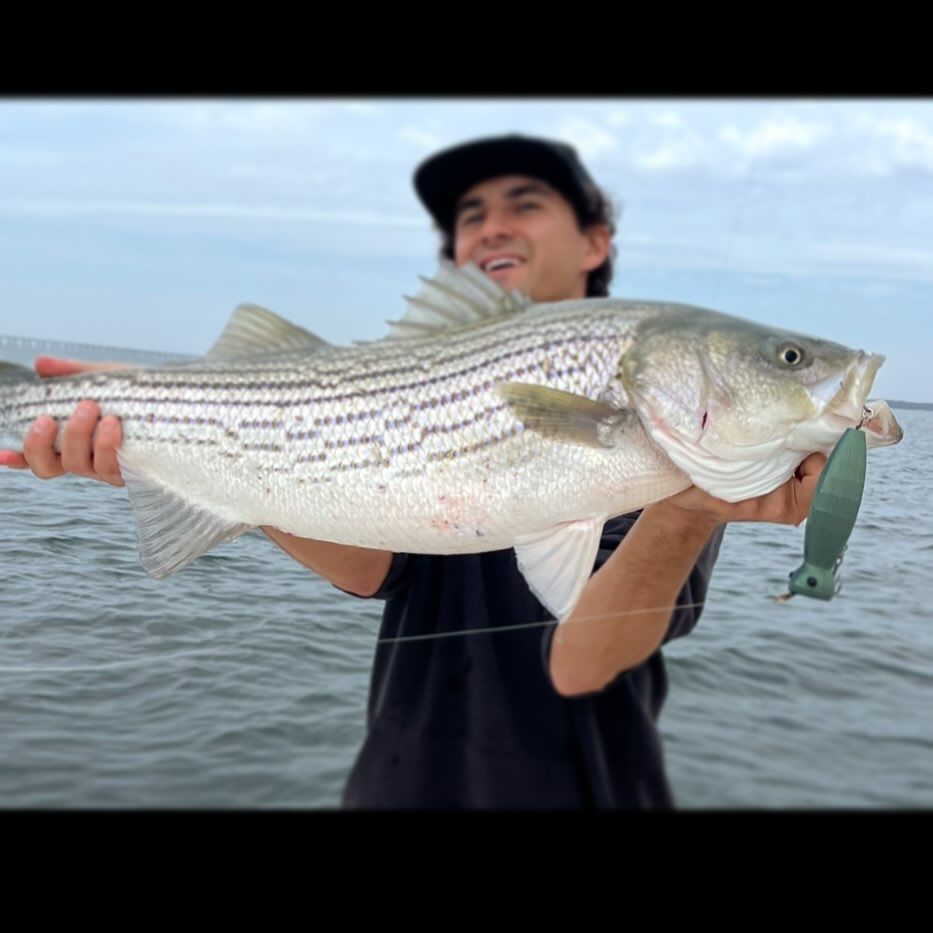
Casting lures is a good starting point for newcomers. It is active and easy to understand, and you get immediate feedback on what works. Topwater fishing adds a visual thrill, since you often see the strike happen on the surface. Neither needs years of experience before it becomes fun.
Fishing From a 10.5ft Kayak: The Basics
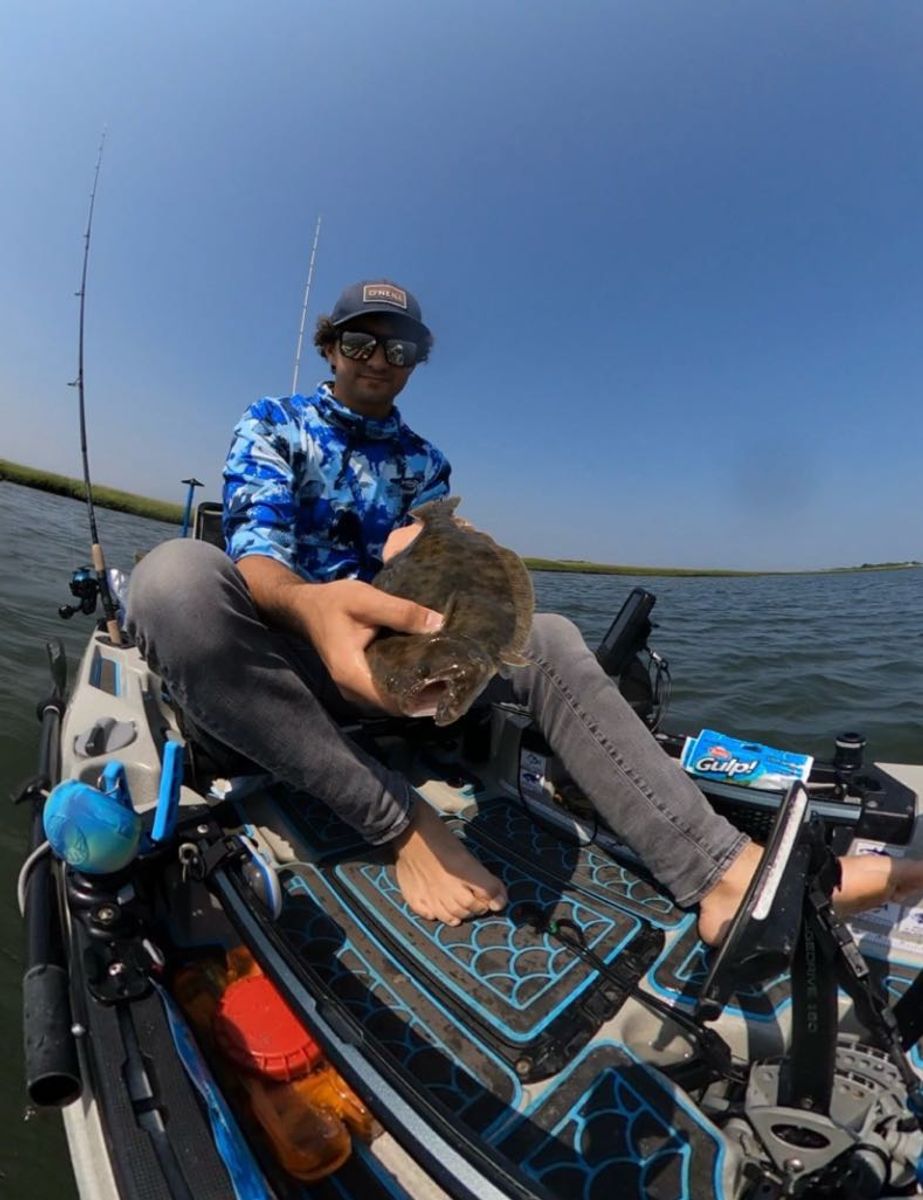
A 10.5ft fishing kayak is a manageable size for someone starting out. It is short enough to turn and handle with ease, yet it still gives you a stable seat and room for your gear. Nick fishes from a 2023 Hoodoo 10.5ft kayak, a purpose-built fishing platform rather than a basic paddle boat.
A few habits make the learning curve gentler:
- Sit low and keep your weight centered, especially when you shift to cast or reach for a rod.
- Keep your paddle within reach so you can correct your position after a cast or a hookup.
- Cast smoothly instead of swinging hard, since a big motion can unsettle a narrow craft.
- Let the kayak drift with the tide when the water is moving, and use short paddle strokes to hold your spot.
Playing a fish from a kayak feels different from playing one from a boat or the bank. The fish can tow you a little, and that is part of the fun. Keep your rod tip up, stay relaxed in the seat, and let the kayak move with the fish rather than fighting it.
Planning Around Tides and Seasons
Tides and seasons decide where the fish are and how they behave. For a beginner this is the hardest part to learn alone, because the bay changes through the year and from one tide to the next. Reading that takes time on the water.
This is where a local guide saves a lot of guesswork. Rather than trial and error across several outings, you fish areas chosen for the day's conditions. You still learn the kayak skills yourself, but you are not also trying to solve the whole bay at once.
What a Private Guided Trip Adds
A private trip means the day is built around you and your group. The format is described as family-friendly and beginner-focused, so you can ask questions, go at your own pace, and work on one skill at a time. Nobody is rushing you to keep up with a crowd.
Guided trips run as either a private morning or a private afternoon outing on Great South Bay, so you can pick the slot that suits you. Having a guide beside you also helps with the practical side of a first trip. You get hands-on help with technique, and you benefit from Nick's read on the tides and the bay while you concentrate on casting and enjoying the water.
It also takes the pressure off buying gear before you know what you like. You can try the style of fishing first, see how you feel on the kayak, and decide afterward whether kayak fishing is something you want to pursue on your own.
Getting Started
If you are curious but not sure, start with the calm water and a guide who knows it. Great South Bay gives you a forgiving place to learn, the kayak keeps you close to the action, and local knowledge fills in the parts a newcomer cannot see yet. Think about whether a morning or afternoon trip fits your schedule, then reach out to A Fish Charters to talk through what a private trip would look like for you.
